Enhancing Communication Through Music: Using AAC in Music Therapy Sessions
Music therapy and augmentative and alternative communication (AAC) can work together in ways to support individuals with complex communication needs. Throughout my work as a music therapist, I’ve had the opportunity to incorporate AAC systems into sessions to create motivating opportunities for individuals to practice communication skills, make choices, interact with others, and express themselves in meaningful ways.
What Is AAC?
AAC uses a wide range of communication methods to supplement or replace speech. These may include communication boards, picture exchange systems, speech-generating devices, tablet-based applications, sign language, and other visual support. AAC can benefit individuals with autism, cerebral palsy, developmental disabilities, traumatic brain injuries, and other conditions that impact communication.
Here are some examples below!
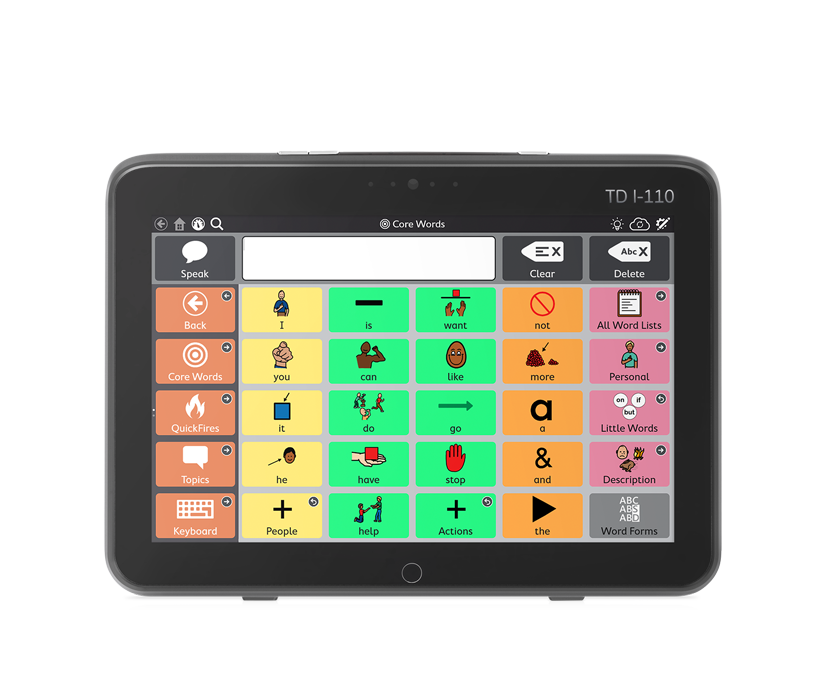
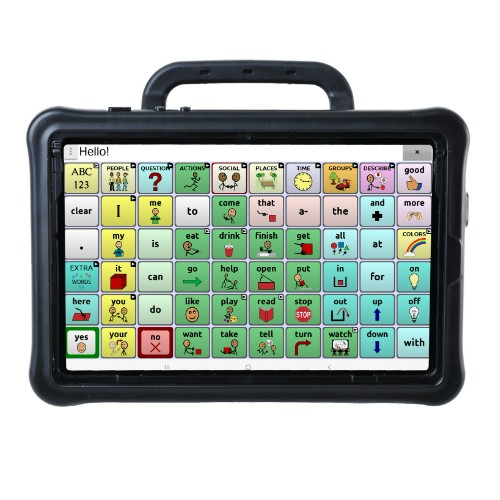
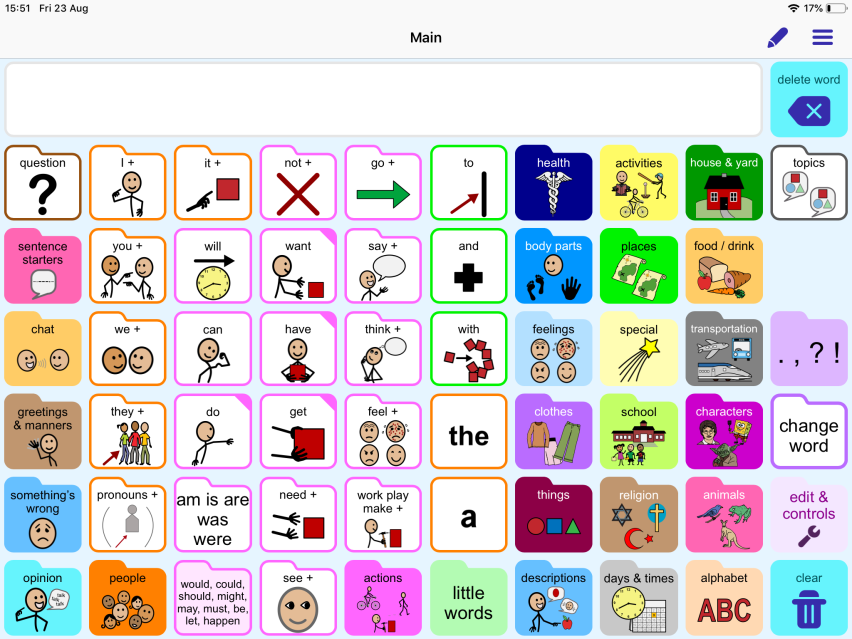
Benefits of Using AAC in Music Therapy
● Increased Participation: Clients can make choices, answer questions, and contribute during music therapy interventions.
● Improved Communication Skills: Music provides motivating opportunities to practice requesting, commenting, greeting, and other communication goals with this method.
● Enhanced Social Interaction: Group music experiences with this communication method allow for more opportunities for connection, sharing preferences, and interacting with peers.
● Greater Independence: AAC allows clients to communicate wants, needs, and preferences more independently.
● Emotional Expression: Music and AAC together can help clients express feelings and experiences that may otherwise be difficult to communicate.
Practical Strategies for Integrating AAC
● Offer visual choices for songs, instruments, and activities.
● Program music-related vocabulary such as "sing," "play," "again," "stop," and instrument names into AAC devices. This can also be used to work on other familiar vocabulary that is used outside of the session ( “more”, “done”, places, things etc)
● Adapt instruments and interventions to meet individual motor, sensory, and communication needs.
I have had the opportunity to work with clients who use eye gaze technology, head-controlled access methods, and other specific AAC systems during music therapy sessions. Although these are often acquired outside of music therapy, there are many ways to create and find ways to adapt instruments to each individual. When these communication tools are incorporated, clients often become more engaged and confident in expressing themselves.
Creating Inclusive Musical Experiences
AAC and music therapy share a common goal: helping individuals connect, communicate, and express themselves. By integrating AAC into music therapy sessions, we can create inclusive experiences where every individual has the opportunity to participate and be heard.